
What Is Chemotherapy and How Does It Help in Cancer Treatment in Vaishali?
Introduction
A cancer diagnosis can bring many questions and concerns. Understanding the available treatment options is an important step towards making informed decisions. Chemotherapy in Vaishali is an important cancer treatment option that uses specialised medicines to destroy cancer cells or slow their growth. It may be recommended alone or along with surgery, radiation therapy or other treatments.
Chemotherapy is used for different types of cancer. The treatment plan depends on the cancer type, stage, overall health and individual medical needs. Understanding how chemotherapy works can help patients and their families prepare for the treatment process.
Dr. Disha Tiwari focuses on cancer care and helps patients understand suitable treatment approaches based on their medical condition.
For fast information, direct chat with us on WhatsApp.
What Is Chemotherapy?
Chemotherapy is a medical treatment that uses anti-cancer medicines to target and destroy growing cancer cells rapidly. These medicines work by interfering with the growth and division of abnormal cells.
Cancer cells multiply in an uncontrolled manner. Chemotherapy helps control this process and may reduce the size of tumours or prevent cancer from spreading.
The medicines can travel through the bloodstream and reach cancer cells in different parts of the body. This makes chemotherapy useful for cancers that have spread beyond their original location.
A specialist may recommend Chemotherapy in Vaishali depending on the diagnosis and treatment goals. In some cases, it aims to cure cancer. In others, it helps control the disease, reduce symptoms or improve quality of life.
How Does Chemotherapy Work in Cancer Treatment?
Chemotherapy works by targeting cells that grow and divide quickly. Since many cancer cells multiply faster than normal cells, they are particularly affected by these medicines.
However, some healthy cells also grow rapidly. These include cells in hair follicles, the digestive tract and bone marrow. This is why chemotherapy can cause certain side effects.
The treatment may work in different ways:
- Destroying cancer cells directly.
- Slowing the growth of abnormal cells.
- Shrinking tumours before surgery.
- Destroying remaining cancer cells after surgery.
- Controlling cancer that has spread to other organs.
- Reducing symptoms caused by advanced cancer.
The response to treatment varies from person to person. Regular medical assessments help determine whether the medicines are working effectively.
What Are the Different Types of Chemotherapy?
Chemotherapy can be given in different ways depending on the cancer type and treatment requirements.
1. Intravenous Chemotherapy
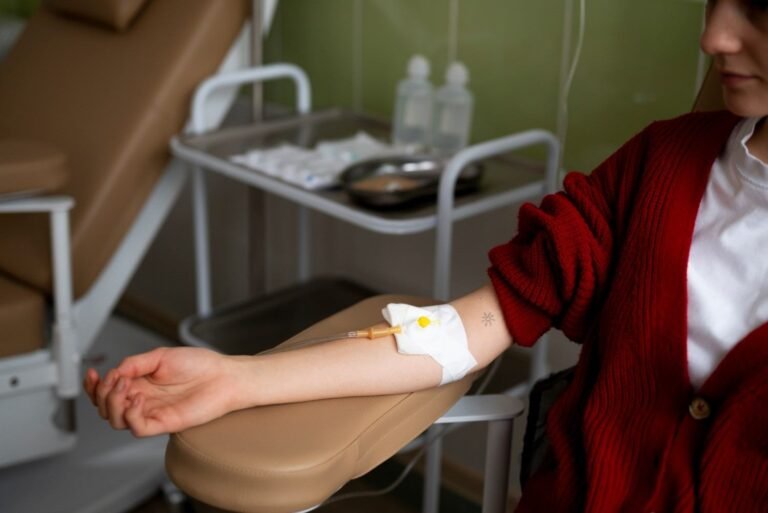
Intravenous chemotherapy is one of the most common methods. The medicines are delivered directly into a vein through an injection or infusion.
Treatment may take several minutes or hours, depending on the prescribed medicines.
2. Oral Chemotherapy
Some chemotherapy medicines are available as tablets or capsules. Patients take these medicines according to a specific schedule prescribed by their specialist.
Following the correct dosage and timing is essential for safe treatment.
3. Injectable Chemotherapy
Certain medicines are administered through injections into a muscle or under the skin. The method depends on the medication and the patient’s condition.
4. Regional Chemotherapy
In selected cases, chemotherapy medicines are delivered directly into a particular body area. This approach aims to provide treatment to a specific region.
The appropriate method depends on the cancer type, its location and the overall treatment plan.
When Is Chemotherapy Recommended?
Chemotherapy may be recommended at different stages of cancer treatment. Its purpose can vary depending on the patient’s diagnosis.
Chemotherapy Before Surgery
This is known as neoadjuvant chemotherapy. It helps shrink a tumour before surgery. Reducing tumour size may make surgical removal easier in selected cases.
Chemotherapy After Surgery
This is called adjuvant chemotherapy. It aims to destroy cancer cells that may remain after surgery, even when they cannot be detected through routine tests.
Chemotherapy Along With Radiation Therapy
Some patients receive chemotherapy with radiation therapy. This combination is known as chemoradiation.
It is commonly used for certain cancers, including cervical cancer. The combination can improve treatment effectiveness in appropriate cases.
Chemotherapy for Advanced Cancer
When cancer spreads to other parts of the body, chemotherapy may help control its growth. It can also reduce symptoms and improve quality of life.
A specialist offering Chemotherapy in Vaishali can determine the most appropriate treatment approach after reviewing the patient’s reports and medical history.
What Are the Common Side Effects of Chemotherapy?
Chemotherapy targets rapidly dividing cells. However, it can also affect certain healthy cells. As a result, patients may experience temporary or, in some cases, longer-lasting side effects.
Common side effects include:
1. Hair Loss: Some chemotherapy medicines affect hair follicles, leading to partial or complete hair loss. Hair usually begins to grow back after treatment ends.
2. Nausea and Vomiting: Certain medicines can cause nausea or vomiting. Anti-nausea medications can help manage these symptoms.
3. Fatigue: Patients may feel unusually tired during treatment. Rest, adequate nutrition and appropriate physical activity can help manage fatigue.
4. Reduced Blood Cell Counts: Chemotherapy can affect bone marrow function. This may reduce red blood cells, white blood cells or platelets. Low counts can increase the risk of anaemia, infections or bleeding.
5. Appetite Changes: Some patients experience changes in taste, reduced appetite or digestive discomfort.
6. Mouth Sores: Chemotherapy may affect the lining of the mouth, causing soreness or ulcers.
Not every patient experiences the same side effects. Their severity depends on the medicines, dosage and individual response.
Patients should report new or worsening symptoms to their treating team. A fever during chemotherapy requires prompt medical attention because it may indicate a serious infection.
How Can Patients Prepare for Chemotherapy?
Preparing for chemotherapy can make the treatment process more manageable. Patients should understand their treatment schedule and discuss any concerns with their specialist.
Some helpful steps include:
- Discuss current medicines and supplements with the treating doctor.
- Complete recommended blood tests and other investigations.
- Maintain a balanced diet with adequate protein and fluids.
- Arrange transportation if treatment causes weakness or fatigue.
- Keep a record of symptoms and side effects.
- Follow instructions regarding medicines and treatment appointments.
- Maintain proper hygiene to reduce infection risk.
Patients should not stop or change prescribed medicines without medical advice.
How Long Does Chemotherapy Treatment Take?
The duration of chemotherapy varies according to the cancer type, stage and medicines used.
Treatment is generally given in cycles. Each cycle includes a treatment period followed by a recovery period. This allows healthy cells time to recover before the next session.
Some patients receive chemotherapy for a few weeks, while others may require several months of treatment.
Regular blood tests, physical examinations and imaging investigations help monitor the patient’s response.
A personalised plan for Chemotherapy in Vaishali helps determine the treatment schedule and any necessary adjustments.
Why Is Medical Monitoring Important During Chemotherapy?
Regular monitoring is an essential part of cancer treatment. Chemotherapy medicines can affect different organs and blood cell counts. Therefore, patients need appropriate medical supervision throughout the treatment process.
Monitoring may include:
- Complete blood count tests.
- Liver and kidney function tests.
- Physical examinations.
- Imaging tests to assess tumour response.
- Evaluation of treatment-related side effects.
These assessments help the specialist understand how the patient is responding. They also help identify complications early and make treatment adjustments when required.
When Should You Consult a Specialist for Chemotherapy in Vaishali?
If you have been diagnosed with cancer, consulting an oncology specialist is important for understanding the available treatment options.
A specialist can review biopsy reports, imaging results and other investigations before recommending chemotherapy. The treatment plan should consider the cancer type, stage, overall health and personal needs.
Dr. Disha Tiwari provides cancer care with an individualised approach to treatment planning. Patients can discuss their diagnosis, treatment expectations and possible side effects during consultation.
Seeking timely medical advice can help patients understand their condition and take informed steps towards cancer treatment.
Conclusion
Chemotherapy plays an important role in treating different types of cancer. It helps destroy cancer cells, reduce tumour size and control the spread of the disease. Depending on the diagnosis, it may be used before surgery, after surgery or alongside radiation therapy.
Although chemotherapy can cause side effects, proper medical monitoring and supportive care help manage many treatment-related challenges.
If you or a family member has been diagnosed with cancer, consult a specialist to understand whether Chemotherapy in Vaishali is an appropriate treatment option. Dr. Disha Tiwari can help patients understand their diagnosis and explore suitable cancer treatment approaches.
Frequently Asked Questions (FAQs)
1. Is chemotherapy used for all types of cancer?
No. Chemotherapy is used for many types of cancer, but it is not suitable or necessary for every patient. Treatment depends on the cancer type, stage and individual medical condition.
2. How many chemotherapy sessions are usually required?
The number of sessions varies from patient to patient. It depends on the type of cancer, medicines used and response to treatment.
3. Does chemotherapy always cause hair loss?
No. Hair loss depends on the chemotherapy medicines and dosage. Some medicines cause significant hair loss, while others may cause little or none.
4. Can patients continue their daily activities during chemotherapy?
Many patients can continue some daily activities during treatment. However, fatigue and other side effects may require changes in their routine.
5. How do doctors know if chemotherapy is working?
Doctors monitor treatment response through physical examinations, blood tests and imaging investigations. These results help determine whether the cancer is responding to treatment.
6. Is chemotherapy painful?
The administration of chemotherapy is generally not painful, although some patients may experience discomfort during injections or infusions. Side effects can vary depending on the medicines used.
If you’re looking for Gynecological Cancer Specialist, visit https://share.google/UD9l4xkSieo8uxQCr and schedule a consultation today.