What Are the Different Treatment Options Recommended by a Medical Oncologist?
Introduction
A cancer diagnosis can raise many questions about treatment, recovery, and long-term health. Understanding the available treatment options is an important first step towards making informed decisions. Consulting a Medical Oncologist in Sector 2, Vaishali can help patients understand their diagnosis and explore suitable treatment approaches based on their individual needs.
A medical oncologist specialises in diagnosing and treating cancer through medicines and other systemic therapies. These treatments may include chemotherapy, immunotherapy, targeted therapy, and hormone therapy. The recommended approach depends on the type of cancer, its stage, the patient’s overall health, and previous treatment history.
Dr. Disha Tiwari focuses on helping patients understand cancer treatment options and the importance of an appropriate treatment plan. Let’s explore the different treatments a medical oncologist may recommend.
For fast information, direct chat with us on WhatsApp.
What Does a Medical Oncologist Do?
A medical oncologist plays an important role in cancer care. The specialist evaluates the patient’s condition and develops a treatment plan according to the cancer diagnosis.
Their responsibilities may include:
- Reviewing biopsy reports and diagnostic test results.
- Identifying the type and stage of cancer.
- Recommending suitable medical treatments.
- Monitoring the patient’s response to therapy.
- Managing treatment-related side effects.
- Coordinating care with surgical and radiation oncology specialists.
- Planning follow-up appointments and long-term monitoring.
A Medical Oncologist in Sector 2, Vaishali may also help patients understand the benefits, possible risks, and expected outcomes of different treatment options.
What Are the Different Cancer Treatment Options?
Cancer treatment has advanced significantly over the years. Several treatment methods are available, and doctors select them according to the patient’s medical condition.
Here are some commonly recommended treatment options.
1. Chemotherapy
Chemotherapy uses medicines to destroy cancer cells or prevent them from growing and multiplying. It is one of the commonly used treatments for different types of cancer.
Doctors may recommend chemotherapy:
- Before surgery to reduce tumour size.
- After surgery to destroy remaining cancer cells.
- Along with radiation therapy in selected cases.
- To control cancer that has spread to other body parts.
- To manage symptoms in advanced cancer.
Chemotherapy can be administered through injections, intravenous infusions, or oral medicines. The treatment schedule depends on the type of cancer and the medicines prescribed.
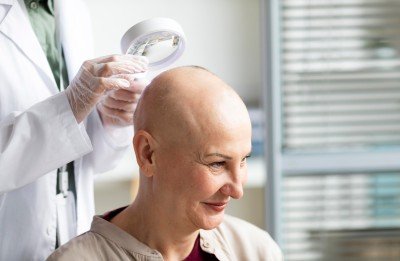
Some patients may experience fatigue, nausea, hair loss, or changes in appetite. Medical supervision helps manage these side effects during treatment.
2. Immunotherapy
Immunotherapy is a treatment that helps the body’s immune system recognise and fight cancer cells.
Some cancer cells develop ways to avoid detection by the immune system. Immunotherapy medicines can help overcome certain immune-related barriers.
Doctors may recommend immunotherapy for selected cancers, including certain types of lung cancer, melanoma, kidney cancer, and bladder cancer.
The suitability of this treatment depends on factors such as cancer type, specific tumour markers, and previous treatments.
A Medical Oncologist in Sector 2, Vaishali, can evaluate whether immunotherapy may be appropriate based on the patient’s reports and overall health.
3. Targeted Therapy
Targeted therapy uses medicines that act on specific proteins, genes, or other changes responsible for cancer growth.
Unlike traditional chemotherapy, these medicines focus on particular molecular features of cancer cells.
Before recommending targeted therapy, doctors may advise molecular or biomarker testing. These tests help identify changes that may respond to specific medicines.
Targeted therapy may be used for certain breast, lung, colorectal, and other cancers.
Possible side effects vary depending on the medicine. These may include skin reactions, diarrhoea, fatigue, or changes in blood pressure.
4. Hormone Therapy
Some cancers depend on hormones such as oestrogen or testosterone to grow.
Hormone therapy works by reducing hormone production or blocking the effects of these hormones on cancer cells.
It is commonly used in selected cases of:
- Breast cancer.
- Prostate cancer.
Doctors may recommend hormone therapy after surgery or radiation treatment. It may also be combined with other cancer treatments.
The duration and type of treatment depend on the cancer’s characteristics and the patient’s response.
5. Radiation Therapy
Radiation therapy uses high-energy radiation to destroy cancer cells or stop their growth.
Although radiation treatment is generally delivered by a radiation oncologist, a medical oncologist may coordinate it as part of a combined cancer treatment plan.
Radiation therapy may be recommended:
- To shrink a tumour before surgery.
- To destroy remaining cancer cells after surgery.
- To control cancer growth.
- To reduce pain and other symptoms caused by certain tumours.
The treatment plan depends on the tumour’s location, size, and stage.
6. Combination Therapy
In some cases, using only one treatment method may not provide the desired results. Doctors may recommend combining different therapies to improve cancer control.
For example, a patient may receive chemotherapy along with immunotherapy or targeted therapy, depending on the cancer type.
Combination treatment may also involve surgery or radiation therapy.
A medical oncologist carefully considers the potential benefits and side effects before recommending multiple treatments.
How Does a Medical Oncologist Decide the Right Treatment?
Every cancer diagnosis is different. Therefore, treatment should be planned according to the patient’s specific condition rather than following a standard approach.
A medical oncologist generally considers several factors.
Type and Stage of Cancer
The type of cancer identifies where it started and its biological characteristics. The stage indicates how far it has spread.
Both factors play an important role in selecting suitable treatment options.
Patient’s Overall Health
Age, existing medical conditions, organ function, and general fitness can influence treatment decisions.
Doctors consider these factors to select treatments that patients can safely tolerate.
Biopsy and Diagnostic Reports
Biopsy results help confirm the cancer diagnosis. Imaging tests, blood investigations, and biomarker testing may provide additional information.
These reports help doctors understand the disease and plan appropriate treatment.
Previous Treatment History
Patients who have already undergone surgery, chemotherapy, or radiation may require a different treatment approach.
Doctors review previous treatments and responses before recommending the next steps.
Why Is Early Consultation with a Medical Oncologist Important?
Timely consultation can help patients understand their diagnosis and explore available treatment options without unnecessary delays.
A medical oncologist can explain the purpose of each recommended treatment and discuss possible side effects.
Early evaluation may also help doctors identify suitable treatment opportunities. However, the benefits depend on the cancer type, stage, and individual medical condition.
Patients should bring their biopsy reports, scans, blood test results, and previous medical records during consultation.
If you are looking for a Medical Oncologist in Sector 2, Vaishali, an early consultation can help you understand the next steps in your cancer care journey.
How Can Patients Manage Side Effects During Cancer Treatment?
Cancer treatments can cause side effects. Their severity varies depending on the medicines, treatment duration, and individual health.
Some common side effects include:
- Fatigue and weakness.
- Nausea and vomiting.
- Loss of appetite.
- Hair loss.
- Changes in blood counts.
- Skin irritation.
- Digestive problems.
Patients should communicate any new or worsening symptoms to their medical team. Doctors may recommend medicines, dietary adjustments, supportive care, or changes in treatment when appropriate.
Maintaining adequate nutrition, staying hydrated, and attending regular follow-up appointments can also support overall well-being during treatment.
When Should You Consult a Medical Oncologist?
You should consider consulting a medical oncologist if:
- A biopsy confirms a cancer diagnosis.
- Your doctor recommends chemotherapy or other systemic treatment.
- You need an expert opinion about available treatment options.
- Cancer has returned after previous treatment.
- You are experiencing treatment-related side effects.
- You need follow-up care after completing cancer treatment.
Seeking advice from a Medical Oncologist in Sector 2, Vaishali can help you understand your condition and make informed decisions about the next stage of treatment.
Conclusion
Cancer treatment involves several options, including chemotherapy, immunotherapy, targeted therapy, hormone therapy, and radiation therapy. However, not every treatment is suitable for every patient. The right approach depends on the cancer type, stage, diagnostic findings, and overall health.
A medical oncologist evaluates these factors and develops an individualised treatment plan. Timely consultation, regular monitoring, and appropriate supportive care are important parts of the treatment journey.
Dr. Disha Tiwari encourages patients to seek timely medical evaluation and understand their treatment options. If you or a family member has received a cancer diagnosis, consult a qualified specialist to discuss the most appropriate care plan.
Frequently Asked Questions (FAQs)
1. What is the main role of a medical oncologist?
A medical oncologist specialises in treating cancer using medicines such as chemotherapy, immunotherapy, targeted therapy, and hormone therapy.
2. Is chemotherapy necessary for every cancer patient?
No. Chemotherapy is not required in every case. Treatment depends on the cancer type, stage, biological characteristics, and the patient’s overall health.
3. What is the difference between chemotherapy and immunotherapy?
Chemotherapy uses medicines to destroy cancer cells or stop their growth. Immunotherapy helps the immune system recognise and fight cancer cells.
4. Can targeted therapy treat all types of cancer?
No. Targeted therapy is suitable only for cancers with specific molecular or genetic characteristics that can be addressed by available medicines.
5. When should a patient visit a medical oncologist?
Patients should consult a medical oncologist after a confirmed cancer diagnosis, when treatment is recommended, or when they need an expert opinion about cancer management.
6. Can different cancer treatments be given together?
Yes. Depending on the diagnosis, doctors may combine chemotherapy, immunotherapy, targeted therapy, surgery, or radiation therapy to achieve better disease control.
If you’re looking for Gynecological Cancer Specialist, visit https://share.google/UD9l4xkSieo8uxQCr and schedule a consultation today.