When Is Chemotherapy Treatment Recommended for Cancer Patients?
Chemotherapy is a crucial cancer treatment that controls or eliminates cancer cells. Chemotherapy Treatment in Vaishali may be recommended depending on the type, stage, and characteristics of cancer. It can be used alone or along with treatments such as surgery, radiation, targeted therapy, or immunotherapy. Understanding when chemotherapy is appropriate can help patients make informed decisions with their oncologist.
For fast information, direct chat with us on WhatsApp.
What Is Chemotherapy?
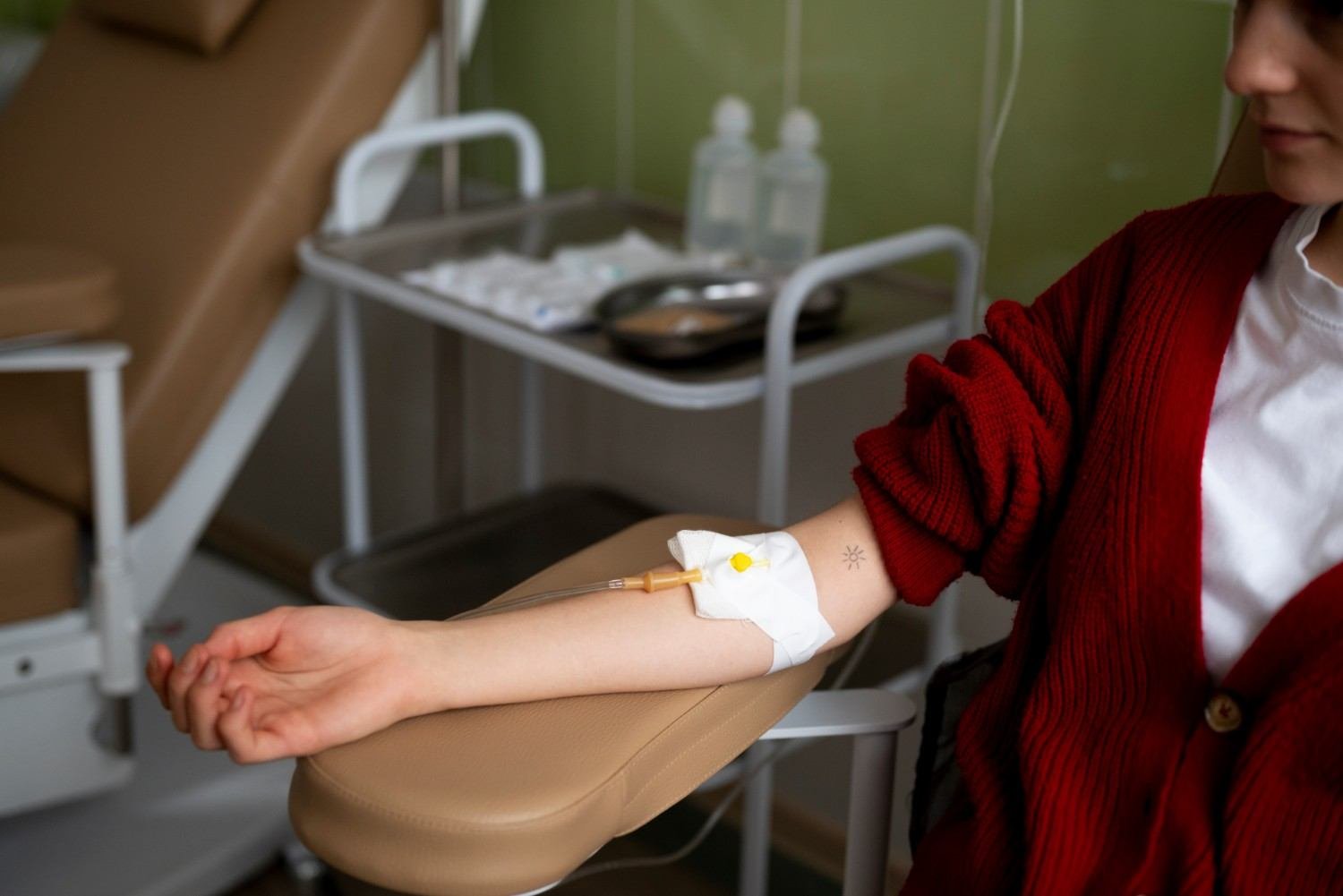
Chemotherapy uses medicines that target rapidly dividing cancer cells. Depending on the treatment plan, these medicines may be given through an intravenous infusion, injection, or tablet. The decision is based on the patient’s general health, the type of cancer, and the treatment objectives.
Every patient receives a different chemotherapy treatment plan at Vaishali. The oncologist considers the cancer type, stage, test results, previous treatments, and individual health before deciding on the most suitable approach.
When Is Chemotherapy Recommended?
At various phases of cancer treatment, chemotherapy may be advised. Some patients receive it soon after diagnosis, while others may need it after surgery or radiation.
Common situations include:
- Before surgery: Chemotherapy may help shrink a tumour and make surgery more effective.
- After surgery: It may be used to destroy remaining cancer cells and reduce the risk of recurrence.
- For advanced cancer: Chemotherapy can help control cancer growth, reduce symptoms, and improve quality of life.
- Along with radiation: Certain cancers may require chemotherapy and radiation together.
- For recurrent cancer: Chemotherapy may be considered when cancer returns after earlier treatment.
The decision should always be based on an individual medical evaluation rather than symptoms alone.
How Does Chemotherapy Help in Cancer Treatment?
One of the key goals of chemotherapy is to stop cancer cells from growing and multiplying. In some cases, treatment can shrink tumours before surgery or radiation. Additionally, it might aid in the management of cancer that has metastasized to other body areas.
A Best Chemotherapy Doctor in Vaishali can assess the patient’s reports and recommend a treatment plan based on the cancer type and treatment objective. Chemotherapy may also be combined with other systemic therapies when clinically appropriate.
Factors Considered Before Starting Chemotherapy
Before beginning treatment, an oncologist reviews several important factors. These may include:
- Type and stage of cancer
- Tumour characteristics
- Previous cancer treatments
- Blood test and imaging results
- Age and overall health
- Other medical conditions
- Treatment goals and patient preferences
These factors help the doctor determine whether chemotherapy is appropriate and which medicines or combination of treatments may be most suitable.
What to Expect During Chemotherapy in Vaishali
The experience of Chemotherapy in Vaishali can vary depending on the medicines being used and the patient’s individual treatment plan. Some chemotherapy medicines are administered intravenously, while others may be given orally or through injections.
Treatment may be organised into cycles, with periods of treatment followed by rest. This allows the body time to recover between sessions. Patients may undergo regular blood tests and medical assessments during treatment to monitor their response and overall health.
Possible Side Effects of Chemotherapy
Because chemotherapy can affect some healthy rapidly dividing cells as well as cancer cells, patients may experience side effects. These can vary significantly from one person to another.
Possible effects include fatigue, nausea, changes in appetite, hair loss, mouth sores, and changes in blood cell counts. Not every patient experiences the same side effects, and many can be managed with appropriate medical support.
A Best Chemotherapy Doctor in Vaishali can monitor treatment closely and provide guidance to help manage side effects safely.
Why Personalised Chemotherapy Planning Matters
Cancer treatment requires careful planning. The same chemotherapy approach may not be suitable for every patient, even when two people have the same type of cancer.
Dr. Disha Tiwari provides personalised oncology care and uses chemotherapy as part of an individualised treatment approach. Her website highlights chemotherapy alongside other cancer treatments, including immunotherapy and targeted therapy.
Choosing appropriate treatment involves understanding the diagnosis, evaluating available options, and monitoring the patient’s response throughout care.
When Should You Consult a Cancer Specialist?
If you have been diagnosed with cancer or your reports indicate that chemotherapy may be required, an oncology consultation can help you understand the next steps. Patients should bring relevant scans, biopsy reports, blood tests, prescriptions, and previous treatment records to their appointment.
Early discussion with an oncology specialist can help clarify whether chemotherapy is required, what its goals are, and how it may fit into the overall treatment plan.
Conclusion
Chemotherapy can play an important role in treating many types of cancer, but it is not automatically recommended for every patient. The decision depends on the cancer type, stage, treatment goals, and individual health.
With proper evaluation and personalised planning, Chemotherapy Treatment in Vaishali can be incorporated into a comprehensive cancer care strategy when clinically appropriate. Consulting an experienced oncologist can help patients understand their options and approach treatment with greater clarity and confidence.
FAQs
1. Is chemotherapy required for every cancer patient?
No. The need for chemotherapy depends on the cancer type, stage, tumour characteristics, and individual treatment plan.
2. Can chemotherapy be given before surgery?
Yes. In some cases, chemotherapy is given before surgery to shrink a tumour and make surgery more effective.
3. How long does chemotherapy treatment take?
The duration varies depending on the cancer type, medicines used, treatment goals, and individual response. Treatment is often given in cycles.
4. Does chemotherapy always cause hair loss?
No. Hair loss depends on the specific medicines and dosage used. Some chemotherapy treatments may cause hair loss, while others may have little or no effect on hair.
5. Can chemotherapy be combined with other cancer treatments?
Yes. Depending on the diagnosis, chemotherapy may be combined with surgery, radiation, immunotherapy, targeted therapy, or other treatments.
If you’re looking for Gynecological Cancer Specialist, visit https://share.google/UD9l4xkSieo8uxQCr and schedule a consultation today.